
Media Literacy in 2025: Reflecting on a Year of Doom, AI, and the Need for Reality Checks

By Alexandra K | SheTheology
December 18, 2025
It Started with a Reel
I recently came across a satirical Instagram reel by Heidi Becker that perfectly captured the collective vibe of 2025: “Sound of the year: gunshots. Person of the year: AI. Feeling of the year: doom!”
Posted as a humorous yet pointed year-in-review, the reel uses sharp social commentary to highlight the absurdity and anxiety of the past year—rising violence making headlines, AI dominating conversations (and fears), and an overarching sense of impending crisis. Heidi notes it’s satire and promises more hopeful content soon, but it struck a chord. That “collective raised eyebrow” at 2025’s chaos crystallized a question I’ve been pondering: In a world amplified by AI, viral misinformation, and endless doom-scrolling, can we still discern what’s real? And more importantly, how do we preserve our sanity and connections amid it all?
We explores those challenges, tying directly to the reel’s themes, and offers pathways toward better media literacy and emotional resilience.
The “Doom” Feeling: Information Overload and AI Dominance
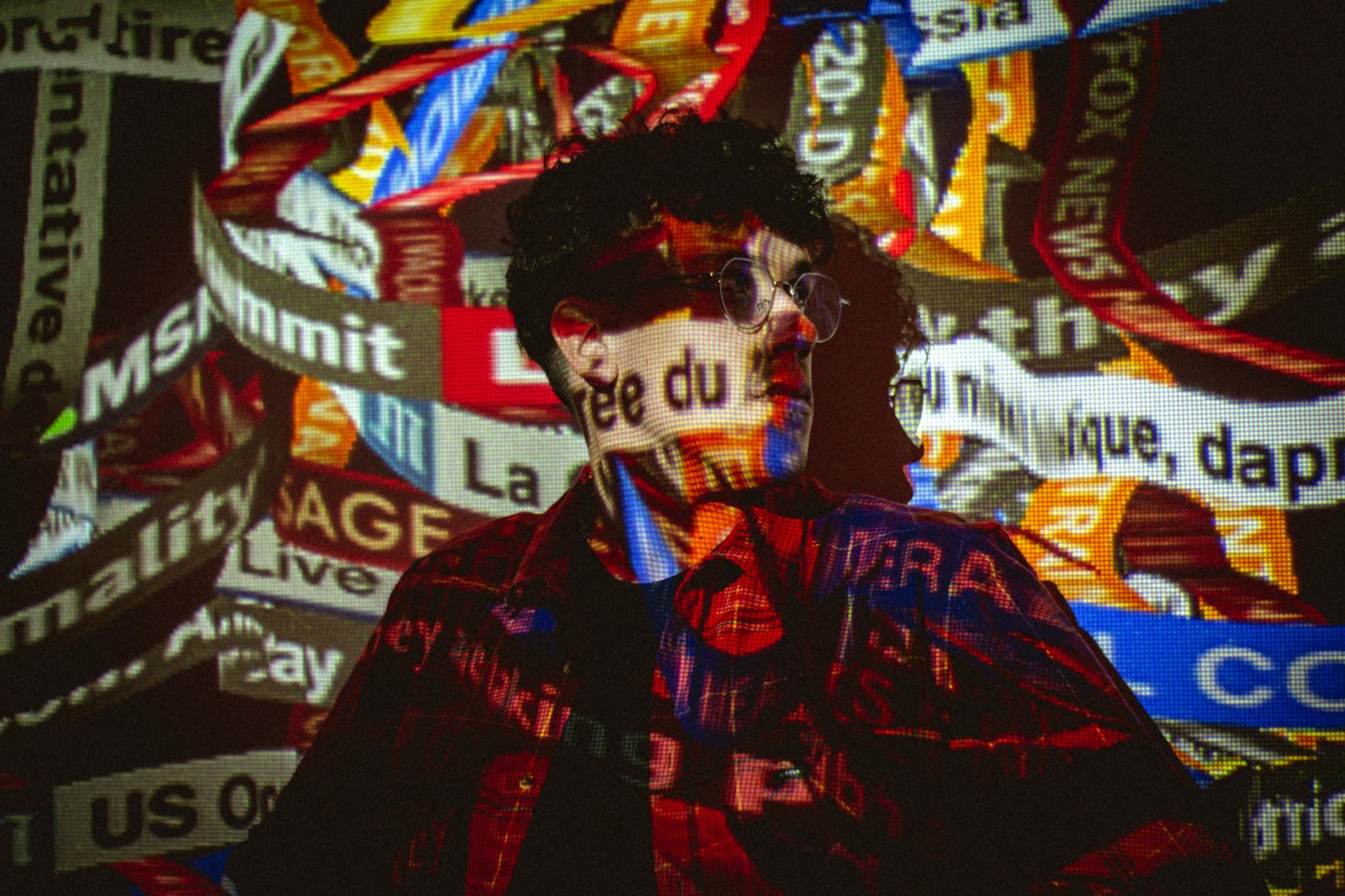
2025 felt doom-laden for good reason. AI wasn’t just “person of the year” in satirical reels—it reshaped reality. From generative tools creating hyper-realistic content to AI-driven news sites proliferating misinformation, distinguishing fact from fabrication became harder than ever.
Incidents like the lingering impact of 2024’s Taylor Swift deepfakes continued to fuel debates on AI ethics, with new cases emerging throughout 2025. Platforms struggled to keep up, and viral content often outpaced fact-checks.
Meanwhile, the constant barrage of alarming headlines—amplified by algorithms—contributed to widespread emotional strain. Gallup’s 2025 report showed record levels of global stress and worry, echoing that “doom” sentiment.

The “Sound of the Year”: Violence, Echo Chambers, and Burnout
Gunshots as the “sound” metaphor points to pervasive reports of violence and unrest, often sensationalized online. Social media’s echo chambers exacerbated this, feeding users tailored content that heightened fear without context.
This cycle leads to digital burnout: endless notifications, polarized feeds, and misinformation overload leave many exhausted. Even with adaptive strategies, the mental toll is real—fragmented attention, anxiety, and a flattened online discourse dominated by repetition.

Moving Onward: From Satire to Hopeful Action
Heidi’s reel ends on a note of moving “onward and upward,” and that’s key. While 2025 was absurd, it also spotlighted solutions.
Strengthen media literacy: Question sources, diversify feeds, and use tools like fact-checkers. Reclaim connection: Opt for device-free moments to combat isolation.

The Way Forward
Satire like Heidi’s reel helps us process the chaos, but media literacy turns reflection into resilience. In an AI-dominated era, critically evaluating content, reducing overload, and prioritizing authentic connections aren’t just helpful—they’re essential.
As we head into 2026, let’s channel that “raised eyebrow” into intentional habits: Verify before sharing, log off for real interactions, and seek balanced perspectives. Hope isn’t naive; it’s a choice we make together.
Sources: Instagram reel by Heidi Becker (2025), Gallup State of Global Emotional Health (2025), Pew Research Center reports, NewsGuard AI tracking, and studies on digital well-being.
Post a comment